
Continental Using Bolder rCB In Conveyor Belt Compounds
Continental has begun integrating recovered carbon black into selected conveyor belt compounds at its North American plants as part of efforts to reduce reliance on fossil-based raw materials and increase circular material use in industrial rubber products.
The recovered carbon black used by Continental is supplied by Bolder Industries. The material is produced from post-consumer and post-industrial rubber waste, including end-of-life tires, through a thermal pyrolysis process carried out without oxygen.

Continental reports that approximately 157,000 pounds of recovered carbon black were incorporated into its North American conveyor belt compounds over the previous 12 months, including material used during production trials and subsequent ramp-up.
At that level of substitution, the company estimates that approximately 487 metric tons of CO2-equivalent emissions were avoided compared with using conventional virgin carbon black.
According to lifecycle data supplied by Bolder Industries and cited by Continental, its recovered carbon black can provide approximately an 86 percent reduction in greenhouse gas emissions compared with conventional virgin carbon black production.
The same data indicates that production of the recovered material uses roughly 98 percent less water than traditional carbon black manufacturing. These figures apply to Bolder Industries’ material and production process rather than to recovered carbon black technologies in general.
 Continental said extensive production trials were conducted before broader implementation of recovered carbon black in the selected conveyor belt formulations. The trials found equivalent material cost, consistent processing behavior and reliable product performance.
These results are significant for industrial rubber applications, where recycled raw materials must meet stringent technical requirements before manufacturers can incorporate them into established formulations.
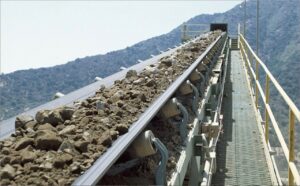
Conveyor belts in mining, aggregates, manufacturing and other heavy industries are exposed to demanding mechanical and environmental conditions, making consistency and durability important qualification criteria.
Recovered carbon black is one of the principal products that can be generated from the carbon-rich solid fraction produced during end-of-life tire pyrolysis. Following appropriate upgrading and quality control, rCB can potentially substitute part of the virgin carbon black used in rubber and other industrial products.
Applications such as conveyor belt compounds can provide a higher-value market for recovered carbon material than lower-grade uses, helping improve the economics of tire pyrolysis and strengthening demand for secondary raw materials generated through tire recycling.
Continental said the current level of recovered carbon black use represents an early stage of implementation. As production increases, the company expects rCB to become a growing contributor to its material sustainability objectives in North America.
Scaling the use of recovered carbon black would also increase demand for consistent, industrial-grade rCB capable of meeting rubber compound specifications. This remains an important requirement for wider adoption across tires, conveyor belts, molded rubber products and other applications traditionally dependent on virgin carbon black.
The initiative demonstrates how circular raw materials derived from waste tires and other rubber products can move beyond experimental applications into commercial heavy-duty rubber manufacturing. Continental emphasizes that sustainability improvements must be achieved while maintaining both technical performance and economic competitiveness.
For the tire recycling and pyrolysis sectors, the project provides another example of recovered carbon black entering established industrial supply chains. Continued adoption by large rubber manufacturers could support stronger markets for rCB while reducing dependence on fossil-based carbon black and creating additional demand for materials recovered from end-of-life tires.
© Scrap Tire News, November 2026
SPONSORS