
TPO, Mass Balance and the New Credibility Economy
A quiet technical issue has become a strategic one for tire pyrolysis oil (TPO): credibility. What was once a discussion about viscosity, contaminants, and refinery compatibility is now equally a discussion about how renewable content is claimed, verified, and communicated.
That change matters because the market has become less tolerant of accounting flexibility that appears disconnected from physical reality. Regulators are tightening sustainability frameworks, auditors are applying stricter interpretations, and sophisticated buyers are increasingly skeptical of claims that look too polished to be true. The question is no longer only whether TPO can enter fuel and chemical value chains, but also how its renewable share can be defended.

The recent tightening under ISCC EU Guidance 1.2 is central to this shift. The guidance sharpens the distinction between flexible assignment and proportional assignment in mass balance systems. For mixed-origin materials such as end-of-life tires, the implications are significant: outgoing parcels should reflect the tank’s physical composition at the time of withdrawal. In practice, this limits the ability to market selected parcels as having a concentrated share of renewables while leaving the remainder behind.
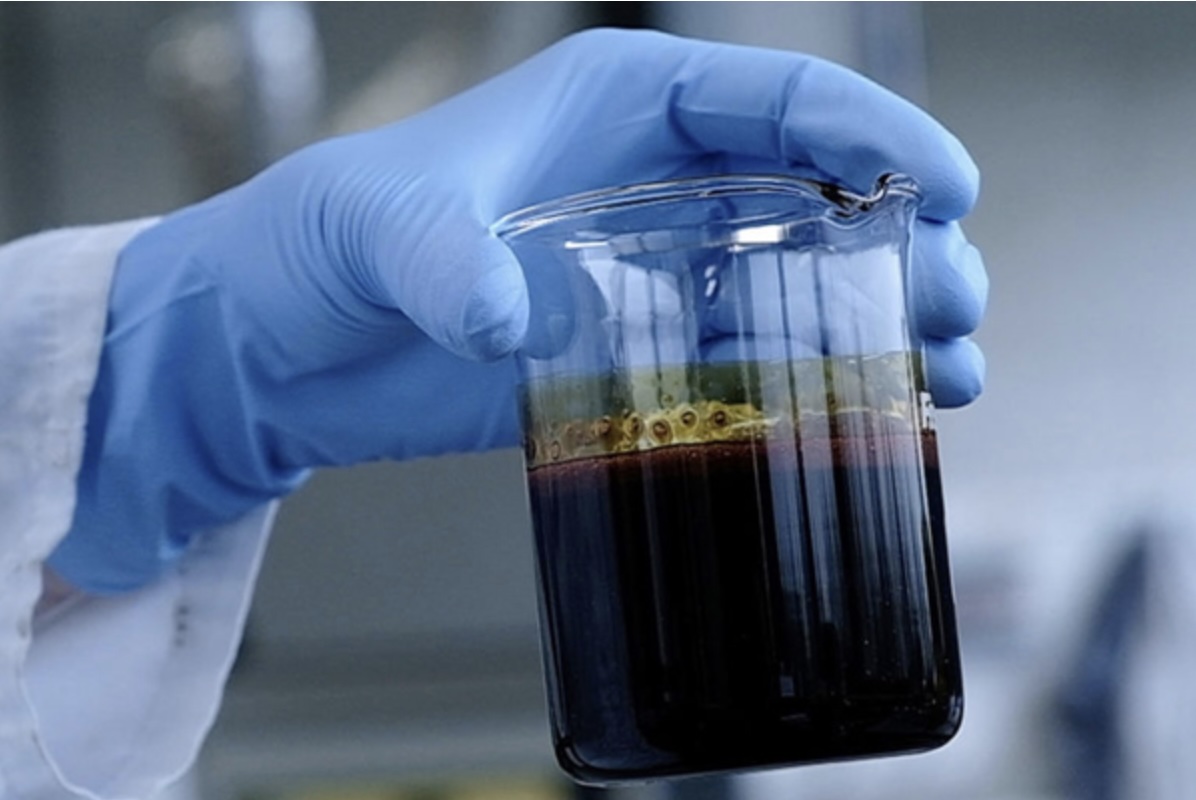 For TPO producers and traders, this is more than a bookkeeping refinement. It changes commercial logic. Premium models based on highly allocated renewable content become harder to justify, while proportionally assigned biogenic content becomes the more defensible basis for pricing and contracting.
The destination market also matters. The EU is moving toward a more prescriptive framework, with stronger product-group logic and tighter restrictions on shifting sustainability attributes across balances. The UK Renewable Transport Fuel Obligation (RTFO) system remains more flexible in accounting terms, but that flexibility should not be mistaken for a license to overstate a product’s physical reality.
The encouraging part is that stricter rules do not eliminate opportunity. They reward better systems. Suppliers that invest in robust monitoring, reporting, verification, and proof-of-sustainability processes are better positioned to monetize the biogenic fraction of TPO and to pursue emerging opportunities around the fossil fraction as recycled carbon fuel. The market is not closing—it is maturing.
Mass balance is not disappearing. But weak claims are. The companies most likely to succeed will be those that align commercial language with measurable reality: measure what you sell, sell what you can defend, and build credibility as carefully as you build process performance.
Source: Weibold Academy
© Scrap Tire News, April 2026
SPONSORS